







A small kitchen can be practical, comfortable, and enjoyable to use when every tool has a clear purpose. The goal is not to fill every cabinet with gadgets, but to choose reliable items that perform several tasks and store easily.
Whether you are furnishing your first apartment or improving an existing kitchen, a thoughtful collection of essentials can help you prepare everyday meals without clutter. Here are the most useful tools for cooking, baking, cleaning, and organizing in a small space.
Start With the Basic Hand Tools
Hand tools take up little room but make a big difference during meal preparation. Choose durable versions that feel comfortable to hold and are easy to clean.
Chef’s Knife
A good chef’s knife is one of the most useful tools in any kitchen. It can chop vegetables, slice meat, mince herbs, and prepare many other ingredients. For a small kitchen, one dependable chef’s knife is usually more useful than a large set of specialty knives.
Look for a knife with:
– A comfortable handle
– A sharp, sturdy blade
– A size that feels easy to control
– A protective cover for safe storage
A small paring knife is also helpful for peeling, trimming, and cutting small foods. If space is limited, these two knives can handle most everyday tasks.
Cutting Board
Choose a cutting board that is large enough for comfortable preparation but small enough to store vertically or slide into a cabinet. A board with a handle or built-in hanging hole can be especially useful.
Wood and plastic are both practical choices. Plastic boards are often easy to clean, while wood boards can be gentle on knife edges and attractive enough to use for serving. A non-slip mat underneath can keep the board steady on the counter.
Measuring Tools
Measuring cups and spoons are useful for both cooking and baking. A nesting set saves space because the pieces fit inside one another. Consider adding a liquid measuring cup with a clear scale for soups, sauces, and drinks.
A compact kitchen scale can also improve accuracy, especially when weighing baking ingredients or portioning food. Choose a slim model that can be stored in a drawer or stood upright in a cabinet.
Choose Versatile Cooking Tools
The best tools for a small kitchen are often those that can perform several jobs. Instead of buying a separate gadget for each task, select simple equipment that works across many recipes.
Skillet and Saucepan
A medium skillet can handle eggs, vegetables, sandwiches, stir-fries, and many one-pan meals. A saucepan is useful for cooking grains, warming sauces, boiling vegetables, and preparing soup.
If you have room for only a few pans, consider:
– One medium nonstick or stainless steel skillet
– One saucepan with a lid
– One larger pot for pasta, soup, or batch cooking
Pans with flat handles or removable handles are easier to store. Lids that fit more than one pan can also reduce clutter.
Baking Sheet
A rimmed baking sheet is useful for roasting vegetables, baking cookies, reheating food, and preparing simple dinners. It can also serve as a tray for carrying ingredients or organizing food before cooking.
Choose a size that fits your oven while leaving enough room for food to cook evenly. If cabinet space is limited, store the baking sheet upright beside a cutting board or inside the oven when the oven is not in use.
Dutch Oven or Multiuse Pot
A compact Dutch oven or heavy, lidded pot can replace several pieces of cookware. It is useful for soups, stews, braised dishes, rice, and one-pot meals. Some models can move from the stovetop to the oven, making them especially versatile.
Because these pots can be heavy, consider whether you have a safe and convenient place to store one before buying it.
Add Small Appliances Carefully
Small appliances can be helpful, but they can also quickly take over limited counter space. Before purchasing one, consider how often you will use it and whether it replaces another tool.
Compact Blender
A small blender can prepare smoothies, sauces, soups, dips, and dressings. An immersion blender is particularly convenient because it can be used directly in a pot or bowl and stored in a drawer.
If you enjoy smoothies or blended drinks, a personal blender with a travel cup may be a practical choice. If you cook soups and sauces often, an immersion blender may offer more flexibility.
Toaster Oven
A toaster oven can toast bread, reheat leftovers, bake small dishes, and roast vegetables. In some kitchens, it can reduce the need to use a full-size oven for small portions.
Look for a model with simple controls and a size that fits your counter safely. Leave space around the appliance for ventilation, and avoid storing items on top of it while it is operating.
Electric Kettle
An electric kettle quickly heats water for tea, coffee, oatmeal, instant noodles, and cooking. It is often faster and more efficient for heating water than using a stovetop pot.
Choose a compact kettle with a clear water level and an automatic shutoff feature. A foldable or removable cord can make storage easier.
Do Not Overlook Preparation and Storage
Efficient preparation tools help keep counters organized and make cooking more comfortable.
Mixing Bowls
A nesting set of mixing bowls provides different sizes without requiring much storage space. Use them for mixing ingredients, washing produce, serving food, or storing leftovers.
Stainless steel bowls are lightweight and durable. Glass bowls can double as serving dishes, while plastic bowls are easy to handle and often less expensive.
Colander
A collapsible colander is ideal for a small kitchen. It can drain pasta, rinse produce, and wash grains, then fold flat for storage. If you prefer a solid model, look for one that fits securely inside your sink or a large pot.
Tongs and Spatulas
A pair of sturdy tongs is useful for turning food, serving pasta, and handling hot ingredients. Add a heat-resistant spatula for stirring, flipping, and scraping pans.
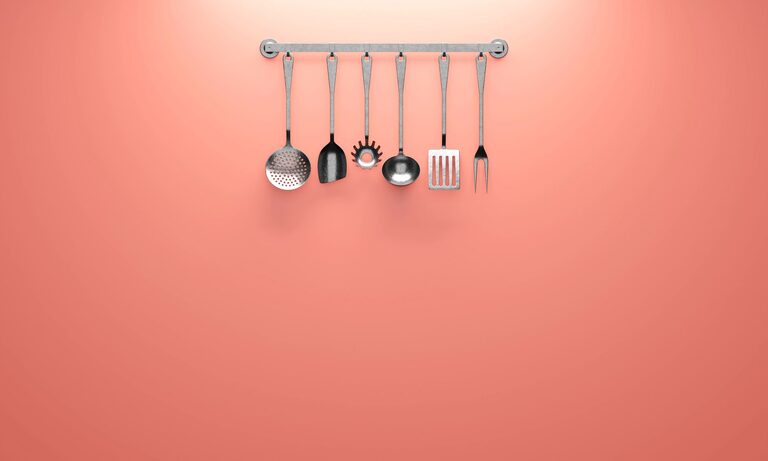
A wooden spoon, ladle, and slotted spoon are also helpful. Store these tools in a narrow container on the counter or use a wall-mounted rack to free up drawer space.
Food Storage Containers
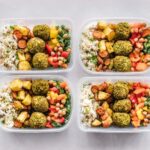
Stackable containers make better use of cabinet and refrigerator space. Choose a set with matching lids and several sizes for leftovers, prepared ingredients, and dry foods.
Square or rectangular containers usually use space more efficiently than round ones. Clear containers also make it easier to see what you have, which can help reduce food waste.
Make Storage Work Harder
In a small kitchen, organization is just as important as the tools themselves. Store frequently used items where they are easy to reach and keep less-used equipment in higher or deeper cabinets.
Useful storage ideas include:
– Use a magnetic strip for selected knives or metal tools.
– Add hooks to the inside of cabinet doors.
– Store pans vertically with a simple divider.
– Use shelf risers to create extra levels in cabinets.
– Keep cutting boards and baking sheets upright.
– Choose stackable cookware whenever possible.
– Store measuring spoons inside a cabinet door or drawer organizer.
Before adding storage products, measure your cabinets, drawers, and counter space. A solution that fits your kitchen is more useful than one that looks attractive but creates new clutter.
Build Your Collection Gradually
You do not need every tool at once. Begin with the items you will use most often: a chef’s knife, cutting board, skillet, saucepan, baking sheet, measuring tools, mixing bowl, and a few dependable utensils.
As your cooking habits develop, add tools based on actual needs. If you regularly bake, consider a hand mixer. If you make fresh sauces, a blender may be worthwhile. If you prepare large meals, add a larger pot or extra storage containers.
The best small-kitchen setup is compact, flexible, and easy to maintain. By choosing multipurpose tools and organizing them thoughtfully, you can create a kitchen that supports everyday cooking without feeling crowded.