









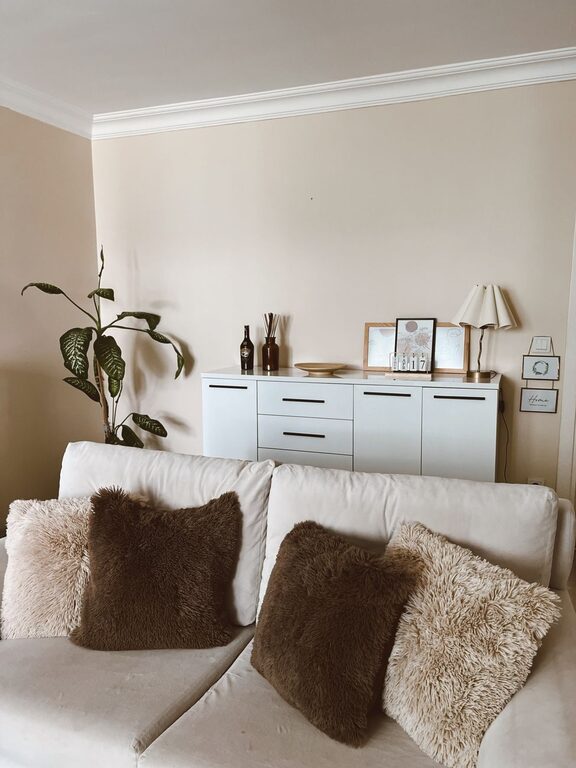
Refresh Your Living Room Without a Major Renovation
Refreshing your living room does not have to mean buying all new furniture or starting a large remodeling project. Small, thoughtful changes can make the space feel brighter, more comfortable, and more personal.
The key is to work with what you already own, focus on high-impact details, and make changes in stages. Before shopping, take a close look at the room and decide what feels dated, cluttered, or incomplete. A clear plan can help you avoid unnecessary purchases and make the most of your budget.
Start With a New Furniture Layout
One of the easiest and least expensive ways to change a living room is to rearrange the furniture. A new layout can improve the flow of the room and make it feel more spacious.
Try these simple ideas:
- Move the sofa away from the wall if there is enough space.
- Angle a chair toward the sofa to create a more welcoming conversation area.
- Place a small table beside an unused corner chair.
- Center the seating around a focal point, such as a fireplace, window, or television.
- Remove furniture that blocks walkways or makes the room feel crowded.
Before moving heavy pieces, measure the room and sketch a basic floor plan. You can also use removable painter’s tape to mark furniture dimensions on the floor. This makes it easier to test different arrangements without repeatedly lifting and shifting large items.
Declutter and Rethink Your Accessories
A room can look refreshed simply by removing items that no longer serve a purpose. Clear coffee tables, shelves, and side tables, then return only the pieces you truly enjoy or use.
Group decorative objects in small collections instead of spreading them throughout the room. For example, place a few books, a small plant, and a decorative bowl together on a coffee table. This creates a more organized look while still adding personality.
Consider storing or donating:
- Decorations that no longer match your style
- Duplicate items
- Furniture that is rarely used
- Damaged accessories that are difficult to repair
- Decor that makes the room feel crowded
Decluttering also gives you a better idea of what the room actually needs, which can prevent impulse purchases.
Update Textiles for an Instant Change
Textiles are often among the most affordable ways to change the appearance of a living room. New colors, patterns, and textures can make familiar furniture feel completely different.
Start with throw pillows and blankets. Choose a simple color palette with two or three main shades. You might combine a solid color, a subtle pattern, and a textured fabric for variety without making the room look busy.
Other affordable textile updates include:
- Replacing heavy curtains with lighter panels
- Adding a washable cover to a worn sofa or chair
- Layering a small rug over a larger neutral rug
- Using a table runner on a console or side table
- Changing pillow covers instead of buying new pillows
When choosing a rug, make sure it fits the seating area. Ideally, at least the front legs of the main furniture should sit on the rug. If a large rug is outside your budget, a smaller rug can still work well in a reading corner or beneath a coffee table.
Give Old Furniture a Second Life
Before replacing a piece of furniture, consider whether a simple update could improve it. A small side table, bookshelf, or storage cabinet may look new after cleaning, sanding, or painting.
For a basic furniture update:
- Clean the surface thoroughly.
- Repair loose hardware or minor damage.
- Lightly sand the surface if needed.
- Apply a suitable primer and paint.
- Allow the finish to dry completely before using the piece.
You can also replace drawer pulls, cabinet knobs, or legs for a quick style change. Look for affordable hardware at home improvement stores, resale shops, or local craft markets.
If you are painting furniture, choose a color that complements the rest of the room. Neutral shades are versatile, while a muted accent color can make a small piece stand out.
Create a Focal Wall
A focal wall can add visual interest without requiring a full-room makeover. Paint is often the most budget-friendly option, especially if you use leftover paint from another project or choose a small wall.
Good locations for a focal wall include:
- The wall behind the sofa
- The wall surrounding a fireplace
- A wall behind a media console
- A small wall near an entryway
If you do not want to paint, create a focal wall with framed art, a collection of mirrors, removable wallpaper, or a gallery of family photographs. Keep the arrangement balanced by using a consistent frame color or a shared color theme.
For a gallery wall, arrange the frames on the floor first. Leave similar spacing between each piece and take a photo before placing anything on the wall.
Improve the Lighting
Lighting has a major effect on how a living room feels. Instead of relying on one overhead fixture, use several light sources at different heights.
Affordable options include:
- A floor lamp beside a sofa or reading chair
- A table lamp on a console or side table
- Battery-powered lights inside a cabinet
- String lights placed discreetly along a shelf
- A brighter or warmer bulb in an existing lamp
Use lamps to highlight useful areas, such as a reading corner or work surface. A lamp with a fabric shade can also add softness to a room with many hard surfaces.
If the room feels dark during the day, keep window coverings open and use mirrors to reflect natural light. Positioning a mirror across from a window can make the room appear brighter and more open.
Add Greenery and Natural Details
Plants can bring color and texture to a living room at a relatively low cost. If you are new to plant care, begin with a hardy variety suited to the light available in your room.
You do not need a large collection. One tall plant in an empty corner or a few small plants on a shelf may be enough. Affordable alternatives include cut branches in a vase, dried grasses, or realistic artificial plants.
Natural materials can also make the room feel warmer. Try adding a woven basket, wooden tray, rattan accent, or ceramic vase. These details work well with many decorating styles and can often be found at thrift stores or resale shops.
Shop Secondhand and Use What You Have
Secondhand stores, neighborhood sales, and online marketplaces can be useful sources for affordable living room updates. Look for solid, versatile pieces rather than items that are trendy but difficult to use.
Good secondhand finds include:
- Wooden side tables
- Mirrors and picture frames
- Baskets and storage containers
- Decorative trays
- Lamps and lamp bases
- Small bookcases
Before buying, check each item for damage, unusual odors, and signs of poor construction. Measure the piece and compare it with the space at home. A low price is only helpful if the item fits your room and meets your needs.
Set a Simple Decorating Budget
A written budget can help you make intentional choices. Divide your available money into categories such as textiles, lighting, paint, and accessories. You may also want to reserve a small amount for unexpected needs, such as new hardware or basic supplies.
Focus first on changes that will have the greatest effect. For many living rooms, this may mean rearranging furniture, decluttering, improving lighting, and adding new textiles before purchasing decorative objects.
Most importantly, refresh the room at a comfortable pace. A welcoming living room is not created by spending the most money. It comes from choosing useful pieces, creating a comfortable layout, and surrounding yourself with details that reflect your style.