









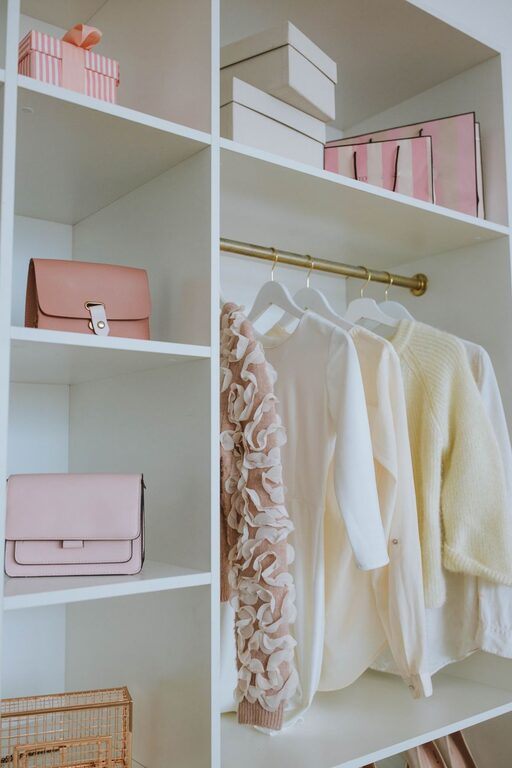
When the weather changes, storing seasonal clothes can make your home feel more organized and your daily wardrobe easier to use. However, simply placing clothes in a box or bag can lead to wrinkles, odors, fading, or damage.
A good storage system protects your clothing, saves space, and makes it easy to find what you need later. With a few simple habits, you can create a seasonal clothing routine that works in almost any home.
Start by Sorting Your Clothes
Before packing anything away, sort your clothing into clear groups. This prevents you from storing items you no longer wear and makes unpacking easier later.
Create separate piles for:
– Clothes to store
– Clothes to keep out
– Items to donate or give away
– Clothes that need repair
– Items that need cleaning
Be selective. If you did not wear something during the season, consider whether you are likely to use it again. Clothing that no longer fits, feels uncomfortable, or does not suit your current style may be better passed on.
Set aside items that need buttons replaced, seams repaired, or zippers fixed. It is easier to handle these tasks before storage than months later when you need the clothing again.
Clean Everything Before Storage
Always clean clothes before storing them, even if they appear fresh. Small amounts of sweat, body oil, food, or perfume can create stains and attract insects over time.
Follow the care label for each item. Wash or dry-clean clothes as recommended, and make sure everything is completely dry before packing. Even slightly damp clothing can develop a musty smell or mildew in a closed container.
Pay special attention to:
– Coats and jackets
– Wool sweaters
– Jeans and heavy trousers
– Formal clothing
– Hats, scarves, and gloves
– Shoes and boots
Avoid storing clothes with strong fragrances or fabric softener residue. These scents can fade, and some products may leave marks during long-term storage.
Choose the Right Storage Containers
The best container depends on the type of clothing, the available space, and how often you need access to the items.
Plastic Storage Bins
Plastic bins are useful for folded clothing because they protect against dust, moisture, and pests. Choose sturdy containers with secure lids. Clear bins make it easier to see what is inside, while solid bins can provide better protection from light.
Do not fill bins so tightly that clothes become compressed. Leave a little room so items can breathe and so you can remove one piece without unpacking everything.
Fabric Storage Bags
Breathable fabric bags work well for sweaters, delicate clothing, and other items that need airflow. Cotton or canvas bags are often better than sealed plastic bags for natural fibers.
Fabric bags are also useful for storing clothing under a bed or on a closet shelf. Choose bags with strong zippers and handles if you plan to move them frequently.
Vacuum Storage Bags
Vacuum bags can save space, especially for bulky bedding, ski clothing, or puffy jackets. However, they are not ideal for every fabric. Long-term compression may affect the shape of down-filled items, wool, leather, or structured clothing.
Use vacuum bags mainly for items that can handle compression. Follow the care instructions, and avoid placing delicate or easily crushed garments inside.
Suitcases and Drawers
Empty suitcases can serve as convenient storage for folded seasonal clothing. This makes good use of space, especially if the suitcase is stored in a closet.
You can also use unused drawers, storage benches, or the top shelves of a wardrobe. Keep similar items together and label each space clearly.
Fold Clothes Carefully
The way you fold clothes can affect their condition and the amount of space they take up.
Fold heavier items at the bottom of a container and lighter items on top. Avoid placing heavy sweaters on delicate shirts, as the weight may flatten or crease them.
For everyday clothing, the following methods work well:
– Fold shirts and pants into neat rectangles.
– Roll casual items when you want to save space.
– Stack sweaters loosely to preserve their shape.
– Fold scarves and gloves together in a small pouch.
– Place matching sets together.
– Use tissue paper between delicate or easily wrinkled items.
Do not hang heavy sweaters for long periods because the shoulders may stretch. Instead, fold them and store them flat.
Dresses, suits, blazers, and other structured pieces are usually best kept on hangers. Use wide, supportive hangers and breathable garment bags. Avoid overcrowding the hanging area, which can cause wrinkles and reduce airflow.
Protect Delicate Fabrics
Different fabrics need different storage conditions. Natural fibers such as wool, silk, linen, and cotton may need extra care.
Keep delicate garments away from direct sunlight, which can cause fading. Store silk and other fragile fabrics in clean, breathable covers rather than tightly sealed plastic.
Leather and suede should be stored in a cool, dry place with enough airflow. Do not fold leather items sharply, and avoid placing heavy objects on top of them. Clean and condition these materials only according to the manufacturer’s care instructions.
For clothing with decorative details, such as beads, sequins, or embroidery, turn the item inside out if appropriate. This can reduce rubbing and help protect the surface.
Organize Shoes and Accessories
Shoes should be cleaned and fully dried before storage. Remove dirt from the soles and allow any moisture to evaporate. Stuff boots and shoes with acid-free paper or clean rolled socks to help them keep their shape.
Avoid using newspaper inside light-colored shoes because ink can transfer. Store shoes in their original boxes, breathable bags, or clearly labeled containers.
Keep accessories together so they are easy to locate. Small boxes, drawer dividers, or fabric pouches can hold:
– Belts
– Gloves
– Hats
– Scarves
– Swimsuits
– Jewelry
– Shoe care items
Store accessories with the clothing they are usually worn with, or create a separate labeled container for each season.
Label Every Container
Labels save time and reduce unnecessary searching. Write a clear description on each container, such as “Winter sweaters” or “Summer beachwear.”
You may also want to include:
– Clothing size
– Family member’s name
– Storage location
– Special care notes
– A short list of the main items inside
Place labels on the top and one or two sides of each container. This helps when boxes are stacked or stored on shelves.
For a more detailed system, keep a simple inventory on your phone or computer. A quick list can help you remember what you own and avoid buying duplicates.
Choose a Suitable Storage Location
Store seasonal clothing in a cool, dry, and reasonably dark area. A bedroom closet, dry basement, spare room, or under-bed storage space may work well.
Avoid areas with frequent temperature changes or high humidity, such as damp basements, garages, and outdoor sheds. If these are your only options, use sealed plastic containers and check the clothing regularly.
Keep containers off the floor when possible. Shelving or raised platforms can reduce exposure to moisture and make cleaning easier. Do not place clothing near pipes, heating vents, or areas where water leaks could occur.
Check Clothes During the Off-Season
Seasonal storage is not a “pack it and forget it” task. Check stored clothing occasionally, especially if it is kept in a basement, attic, or other changing environment.
Look for:
– Musty odors
– Moisture
– Insects
– Damaged containers
– Fading
– Wrinkles or compression
If you notice a problem, remove the affected items, clean them according to the care label, and improve airflow or move the storage container.
Make the Next Seasonal Change Easier
When the next season arrives, unpack clothing in one area and review each item before returning it to your wardrobe. Try on anything that may no longer fit or suit your needs.
Wash or air out stored clothes before wearing them. This removes any storage odors and gives you a chance to inspect the fabric.
Finally, clean empty containers before reusing them and update your labels if needed. A consistent system turns seasonal clothing changes into a quick, manageable routine rather than a large organizing project.