







Busy weeks can make cooking feel like one more task on a long list. With a little planning, however, you can prepare simple ingredients and meals ahead of time so weekday cooking becomes faster and easier.
Meal prep does not have to mean spending an entire Sunday in the kitchen or eating the same meal every day. A few small steps, such as washing produce, cooking a grain, or preparing a versatile sauce, can make a noticeable difference.
Start With a Simple Meal Plan
Before shopping or cooking, take a few minutes to plan the week. Choose meals that share ingredients and can be mixed and matched.
A basic plan might include:
– Two make-ahead breakfasts
– Three lunches
– Two or three dinners
– Easy snacks
– One flexible meal for leftovers
Look at your schedule first. If one evening is especially busy, plan a meal that can be reheated quickly. On a day with more free time, you might prepare a larger dinner and save part of it for lunch.
Keep your plan realistic. Preparing three complete meals, several snacks, and homemade sauces may be too much for one week. Start with one or two prep tasks and add more as the routine becomes comfortable.
Build Meals From Basic Components
Instead of preparing a different recipe for every day, cook a few basic components. These can be combined in several ways throughout the week.
Useful components include:
– Cooked rice, quinoa, pasta, or potatoes
– Roasted or steamed vegetables
– Grilled chicken, baked tofu, beans, or hard-boiled eggs
– Washed salad greens
– Chopped onions, peppers, or carrots
– A simple dressing or sauce
– Fresh herbs, shredded cheese, or nuts for toppings
For example, roasted vegetables can be served with rice and chicken one day, added to a wrap the next day, and mixed into a grain bowl later in the week. This approach keeps meals interesting without requiring a new recipe every night.
Choose Ingredients That Work Together
Pick flavors that can fit into more than one type of meal. A batch of roasted vegetables can work with a mild grain bowl, a pasta dish, or a breakfast scramble.
Good flexible ingredients include:
– Bell peppers
– Broccoli
– Carrots
– Sweet potatoes
– Spinach
– Brown rice
– Chickpeas
– Shredded chicken
– Canned tuna
– Eggs
– Tortillas
A few adaptable ingredients can become several different meals with small changes in seasoning or toppings.
Easy Breakfast Ideas
A prepared breakfast can make busy mornings smoother. Choose options that are easy to portion and simple to eat at home or take with you.
Overnight Oats
Combine rolled oats with milk or a milk alternative in individual containers. Add fruit, cinnamon, nuts, or seeds before serving. You can prepare several jars at once and vary the toppings so each serving tastes a little different.
Egg Muffins
Whisk eggs with chopped vegetables and shredded cheese, then bake the mixture in a muffin pan. Once cooled, store the portions in the refrigerator and reheat them when needed.
Smoothie Packs
Place fruit, greens, and other smoothie ingredients into individual freezer bags or containers. In the morning, add the contents to a blender with your preferred liquid. Preparing the solid ingredients in advance makes smoothies faster to assemble.
Breakfast Burritos
Fill tortillas with scrambled eggs, beans, vegetables, and cheese. Wrap them individually and store them for quick breakfasts. Add fresh salsa or avocado after reheating for better texture.
Packable Lunch Ideas
Lunches are easier to prepare when the ingredients can be stored separately until you are ready to eat.
Grain Bowls
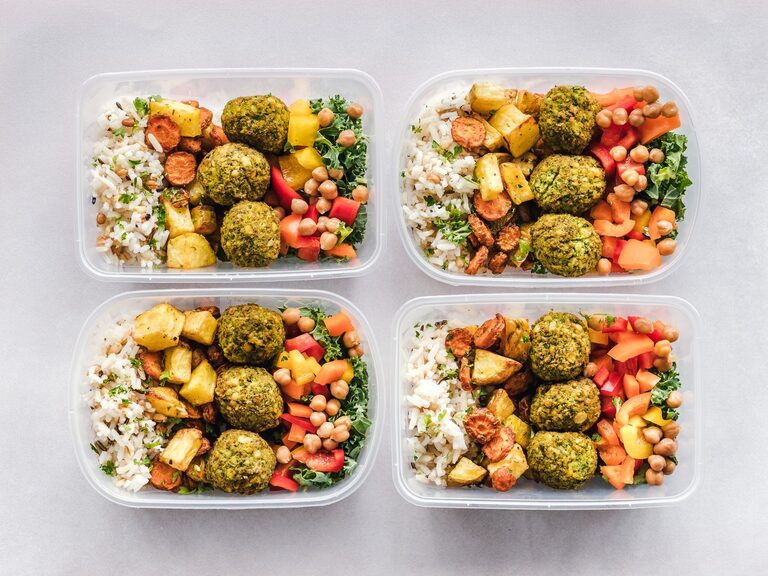
Layer cooked grains with vegetables, a protein, and a dressing. Keep the dressing in a small separate container to help prevent sogginess.
Try combinations such as:
– Brown rice, roasted vegetables, chickpeas, and lemon dressing
– Quinoa, spinach, chicken, and a yogurt herb sauce
– Couscous, cucumber, tomatoes, beans, and a light vinaigrette
Mason Jar Salads
Put the dressing at the bottom of the jar, followed by firm vegetables, grains or beans, protein, and greens. When it is time to eat, shake the jar or pour the salad into a bowl.
Wraps and Sandwiches
Prepare fillings in advance, but add wet ingredients just before eating when possible. Sliced chicken, roasted vegetables, egg salad, and hummus are all useful options. Store greens separately if you want to keep them crisp.
Leftover Lunches
Cook extra portions at dinner and pack them into lunch containers once the food has cooled. This saves time and reduces the number of meals you need to prepare from scratch.
Quick Dinner Prep Strategies
Dinner prep works best when you focus on reducing the amount of work required on busy nights.
Sheet Pan Meals
Cut vegetables and a protein into similar-sized pieces, season them, and roast everything on one pan. You can prepare the ingredients earlier in the day, then cook them when needed.
Slow Cooker Meals
Soups, stews, chili, and shredded meats are well suited to slow cooking. Make a larger batch and use it for several meals. Serve it with rice, bread, baked potatoes, or a simple salad for variety.
Stir-Fry Kits
Slice vegetables and protein ahead of time and store them in separate containers. When you are ready to cook, heat a pan, add the ingredients, and finish with a prepared sauce.
Pasta With Multiple Uses
Cook a batch of pasta and toss it with a small amount of oil so it does not stick. Use it for a warm dinner, a cold pasta salad, or a quick skillet meal with vegetables and beans.
Make Snacks Easy to Grab
Pre-portioned snacks can help you avoid last-minute choices during a busy day. Prepare a few options at the beginning of the week.
Ideas include:
– Cut fruit and vegetables
– Yogurt cups
– Nuts or seeds
– Popcorn
– Cheese and crackers
– Hummus with sliced vegetables
– Homemade trail mix
– Energy bites made with oats and nut butter
Keep frequently used snacks where they are easy to see and reach. Clear containers can make prepared food more convenient than packaged alternatives.
Use Smart Storage Habits
Good storage helps prepared food stay appealing and organized. Use containers with secure lids and choose sizes that match your portions. Clear containers make it easier to see what is available.
Label containers with the meal name or preparation date. Store sauces, crunchy toppings, and delicate greens separately when possible.
For the best quality, prepare only the amount you expect to use within a few days. Freeze extra portions of soups, cooked grains, casseroles, and some cooked proteins if you will not eat them soon. Let frozen meals thaw in the refrigerator before reheating, and reheat food until it is hot throughout.
Keep Your Prep Routine Flexible
A successful meal prep routine should make life easier, not create extra pressure. If you do not have time for a full cooking session, choose one small task:
– Wash and cut vegetables
– Cook one grain
– Prepare a sauce
– Boil eggs
– Portion snacks
– Marinate a protein
– Pack tomorrow’s lunch
You can also use convenient ingredients, such as frozen vegetables, canned beans, prewashed greens, and cooked grains. These options can reduce preparation time while still giving you plenty of flexibility.
The goal is not to prepare every meal perfectly. It is to make the next few days simpler. Start with a short plan, focus on versatile ingredients, and prepare food in manageable batches. With a routine that fits your schedule, busy-week meals can become faster, more organized, and easier to enjoy.